News & change · April 10, 2026
Airbnb in North Cyprus: New Rental Law Explained.
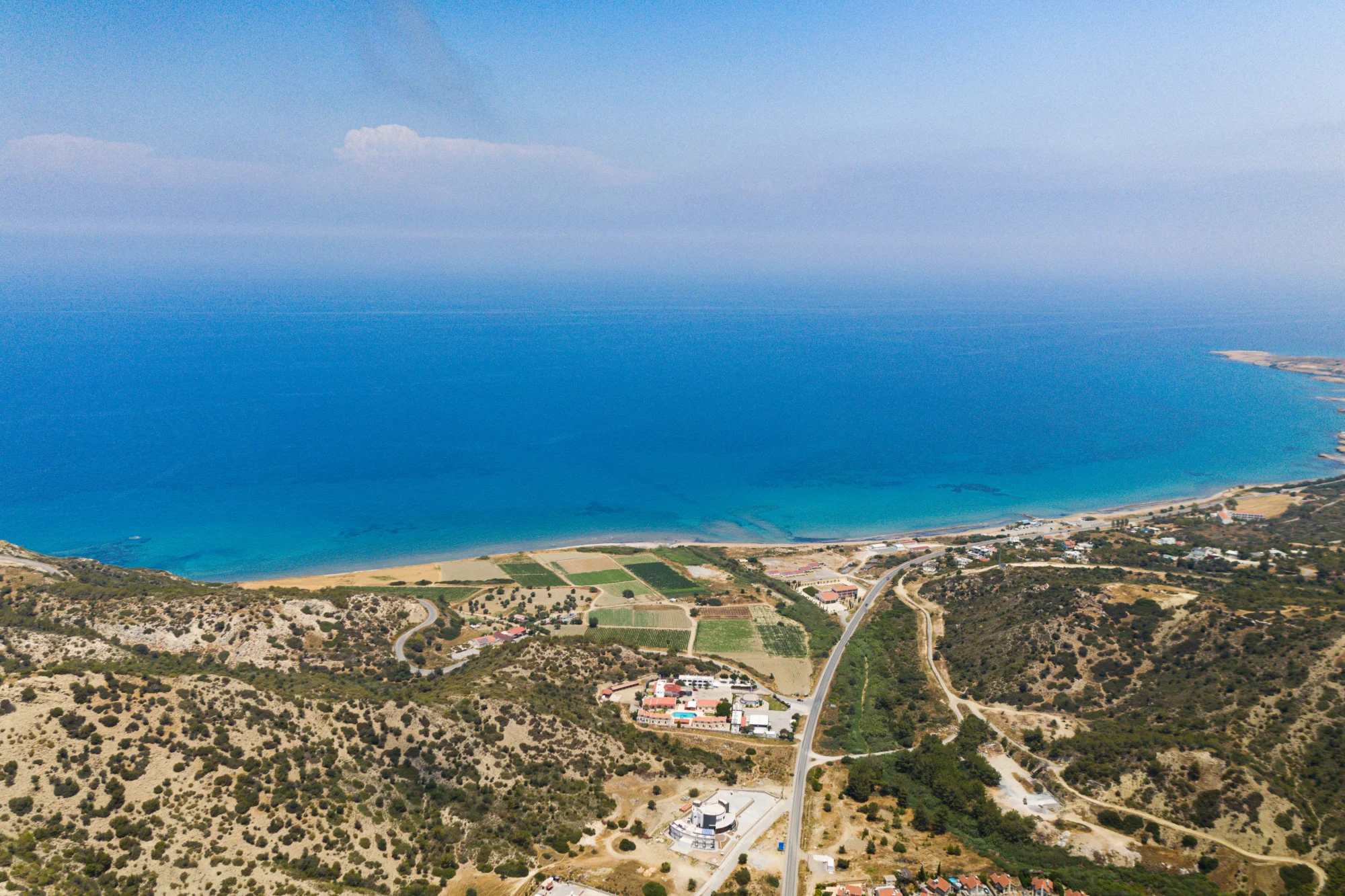
Renting your place in Northern Cyprus on Airbnb or Booking? From 1 March 2026, a new Holiday Homes Law will transform short‑term rentals into a tightly regulated industry.
📩 DM me today for a FREE consultation:
✅ +90 539 135 96 76
📲 WhatsApp: https://wa.me/905391359676
From the 1st of March of 2026, the rules around short-term rentals have changed and this is not about small update or a bit of extra paperwork. This is a shift toward a fully regulated system where short-term rental is treated as a proper activity with clear requirements. People are buying properties trying to rent them out independently via booking.com and Airbnb and everyone is making assumptions based on how things worked before and then later they get surprised when enforcement actually begins. And the key points in here my friends are simple.
Rental strategy only exists now when it's legal and secure and if your strategy is just to list the property online on Airbnb or booking.com and hope nobody notices, that's not a legal strategy anymore. That's a very high risk and now that risk has consequences. Now, what has exactly changed? From the 1st of March of 2026, the holiday homes law officially came into force. The logic behind it is very straightforward. The government wanted to bring short-term rental under control, introduce minimum standards, ensure guest registration and of course collect proper fees and taxes. But however, there is a very important detail about timing.
If you already renting your property out before this law came into effect, there is a transition period. Owners are given approximately 4 months to become compliant. This means in other words that enforcement is expected to start around beginning of the summer of 2026. But if you are starting just now after March of 2026, you are expected to follow the new rules from the beginning. And this is where many people do get confused because the transition period is not for the new entries into the market. It's only for the existing operators. Now, let's clarify what short-term rental means under the new law. The definition is simple. Basically any rental up to 60 days is considered short-term.
This is calculated from the check-in to the check-out points and anything within that time frame falls under this regulation. In terms of property types, the law covers most of what we already see on the market and of course this include villas, houses, studios, apartments and units within residential complexes. So, for the majority of the investors, this law fully applies. Now we come to the part where many owners start facing issues and of course that is the minimum requirements for the property. In order to operate legally, the property must meet certain basic conditions and to be honest with you they are not difficult.
A property has to be an independent unit with its own entrance of course and there are also limits in terms of the size and occupancy. The property cannot have more than five bedrooms and cannot accommodate more than 10 adults at the same time. It must also have a proper kitchen setup which means a functional space where guests can cook and use basic facilities. Bathroom requirements are also clearly defined. For let's say up to six people, at least one bathroom and one toilet are compulsory. For seven to 10 people, there must be at least two bathrooms and two toilets. So, if the property does not meet these basic conditions, it is already at the risk before any paperwork even begins.
Now, in terms of the legal process, here's what needs to be done. First of all, the property must be officially registered as a holiday home through a tourism planning department. Once approved, a registry certificate would be issued and there is a one-time fee for this which is approximately half of the minimal wage which is currently stands at around 600 euros. After that, the owner must obtain an operating permit which is a yearly license. Without this permit, it is not legal to rent the property on a short-term basis and the cost for this license depends on the property category and typically ranges anywhere from 7 to 15% of the minimal wage per year.
In practical terms my dear friends, this usually does not exceed around 180 euros annually. So, these two legal steps were just the peanuts because beyond registration and licensing, there is also an operational requirement that many people underestimate. Now, every guest must be registered through an official system. Guest records must be submitted regularly, usually on a monthly basis preferably towards the end of the month. This means that short-term rental is no longer just about handing over the keys. It becomes an administrative process that needs to be maintained consistently.
In addition to that, there must be a visible information sheet inside each property including the house rules, emergency contacts and basic instructions for guests. Okay, now let's move on to the taxes because that's where many investors miscalculate their returns. Rental income is subject to taxation when it comes to short-term rental aside of the licensing and permit fees and the rate currently depends on the currency. So, if the income is received in Turkish lira, the tax is 8%. If it's received in foreign currency, the tax is around 13%. So, basically the same way as it works for long-term rental in Northern Cyprus.
And this is important because many people look only at the gross rental income and assume strong returns. But in reality, what matters is net yield. Once you include taxes, licensing fees, management costs for your convenience and maintenance, the real numbers can look very different. So, if you are investing for short-term rental income, it is essential to calculate everything properly and ideally consult an accountant. Another important point is timing because the process of registration and approval is not instant. There is a review stage, documentation and then there is a permit process.
So, if someone is planning to operate during this summer season, leaving everything until the last moment, I'll tell you that it's not a good strategy because delays can easily affect your ability to rent legally during this peak season. Now, but what happens if you do ignore the rules? Well, if a property is rented out without proper registration and permits, the owner is exposed to penalties. These can include fines of up to 10,000 euros and enforcement actions such as sealing the property until compliance is achieved.
So, this is no longer a situation where people can operate informally without consequences like it was done before because the purpose of this law is clearly to regulate the market and enforcement is expected to follow strictly and firmly. That being said, short-term rental can still be a profitable strategy especially during high seasons. But now it must be approached correctly with the full consideration of compliance, costs and ongoing management.
From practical perspective, for the owners that hold only one property, it may actually make a lot more sense to work with a professional management company because they already have system in place, they handle the guest registration, they acquire the licensing, they organize the full process and they manage the operational side. But for those ones of you that hold multiple properties, managing independently can make sense too, but only if it's treated as a structured business. And as well as that, for many investors, long-term rental remains a more stable, low-risk option with a clear pathway that is very easy to manage. So, the bottom line in here is this.
Since the 1st of March of 2026, short-term rentals in Northern Cyprus are no longer informal. They are regulated and ignoring this comes with real financial and legal risks. If you need guidance based on your specific situation, you can always reach out to me and I will help you structure it properly and avoid unnecessary mistakes.