News & change · March 9, 2026
North Cyprus News FEBRUARY 2026 | Real Estate Rules, Tech Upgrades & Island Stability
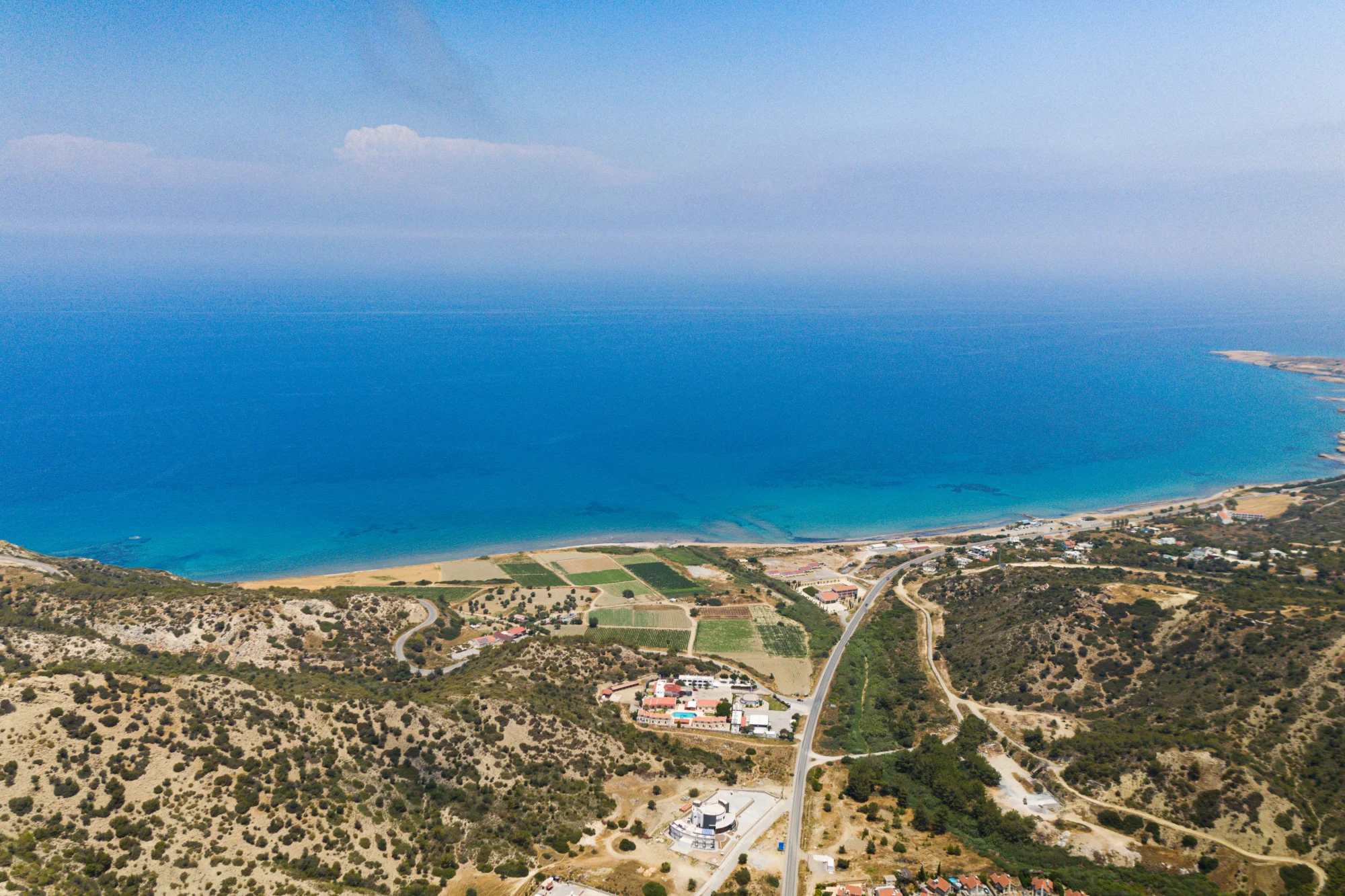
I celebrate local community efforts in animal welfare and highlight recent infrastructure improvements.
Technological advancements, including public transport integration with Google Maps and a new online hospital appointment system, are discussed alongside President Tufan Erhurman's diplomacy focus. I also address real estate regulations and reassure listeners about the island's stability amid regional tensions. This exploration underscores the resilience and community spirit of Northern Cyprus.
✅ CONSULTATION: +90 539 135 96 76
📲 WhatsApp: https://wa.me/905391359676
And I promise there's plenty to talk about. We've got everything starting from cars and traffic as usual. That's in politics and of course infrastructure. And as well as that, some international drama that might make you check your emergency exit. So grab your coffee, settle in and let's go. So let me start with the thing that everybody loves to talk about but nobody seems to know exactly. Car dealerships. Officially, there are about 700 registered car dealerships on the island as of July of 2024. Sounds manageable, right? But the insiders say that the real number including unregistered car dealerships might be over 2,000. That is a lot of shiny metal with a hint of a mystery.
Some of these dealerships barely move cars for months and lately a few even made the headlines for shootings. So yes, my friends, Northern Cyprus car shopping might come with a side of adrenaline. Experts warn that this uncontrolled growth is bad news for everyone on the island. Consumers are at risk, taxes are not being paid and the authorities are playing catch-up. And when cars sit unsold for months, some people say that it's not just low sales. There are whispers about money laundering. So if you're looking for a new ride, you need to keep your eyes wide open. Speaking of cars, traffic on the island is, let's call it interesting. Last week alone, 45 accidents were reported with 28 injuries.
Police checked over 18,000 drivers and filed legal actions against 3,000 of them. Their top violations, of course, are speeding, reckless driving and yes, using your phone behind the wheel. Honestly, multitasking is great, just not when it comes to steering a car. Now, let's shift the gears to the population and demographics. The island's population is steadily growing and expected to hit nearly 490,000. But, the birth rates, however, are dropping to 1.4 children per woman, which is below the replacement level on the island. Most of the growth comes from migration. And the largest age group, young adults aged 20 to 24. So, lots of energy, lots of ambition, and probably a fair share of loud music at 2:00 a.m.
With more people comes more trade. And here, North Cyprus leans heavily on Turkey. In 2025, imports from Turkey reached 2.63 billion dollars, while exports were hitting barely 116 million. And that's $26 of import for every dollar of export. Economists call it unbalanced. Locals might just call it Tuesday. So, clearly, North Cyprus loves to shop. However, it's not all economics and numbers, and there is some heartwarming actions, too. Students at DAU have been helping animal shelters, donating kennels, food, and raising funds through art workshops and mini football tournaments. One student even personally delivered dog food to campus strays.
And it's a reminder that even in the middle of bureaucracy, traffic jams, and municipal headache, people care. Speaking of infrastructure, now let's get into the projects that actually matter. In the center of Famagusta, the Turkan Erdogan Sport Hall is almost ready to open. And this has been in the works for years, and now residents will finally have a proper place for sport, all the way from volleyball to handball. The project cost around 110 million Turkish Lira, and it was fully funded locally. The Prime Minister, Ersin Tatar, visited the site with ministers and officials checking in on the progress and chatting with the local athletes. He highlighted that the hall is more than just a building.
It's a community hub. Meanwhile, municipal projects across the island are moving full speed ahead. Chatalkoy sent back has been upgrading schools, roads, storm water systems, and parks. In Akcay, they expanded access roads and built open concrete channel for rainwater. Karagac saw 11 km of water networks replaced and a new park under construction. Big changes are coming to Nicosia in 2026, too. Mayor Mehmet Harmanci announced that the city is investing around 1 billion Turkish Lira from its own budget. Streets are getting a serious upgrade, which is 120 million Turkish Lira for the paving, and another 27 million Turkish Lira for a new parking lot. Finally, smoother rides and more spots for your car.
Now, sports fans, get ready. Kaymakli will host a sports and brotherhood park with football fields, basketball and tennis courts, a running and cycling track, a fitness center, and playgrounds. Plenty of space to stay active or just admire all the effort others are putting in. Culture is getting some love, too. The long-delayed cultural and arts center will finally open with a roughly about 240 million Turkish Lira investment. Sidewalks, pedestrian zones, and linear park along the river are also in the works, giving the city a fresh, walkable vibe. Would you like some eco-friendly updates? Check.
The Haspolat wastewater plant is getting solar panels to cover 20% of its energy needs while four new neighborhood parks and one upgraded park will bring more green spaces for everyone. All in all, Harmanci promises that Nicosia is leveling up. With smart investments and careful planning, the city is shaping up to be a place where walking, biking, and enjoying public spaces isn't just a dream. It's a new normal. Digital life is stepping up, too. Famagusta commuters, listen up. Your city just made your life a whole lot easier and yes, slightly less stressful. The flexible public transport system, or as we call it, a snakto ploutos systemi, try to say three times fast, is now fully integrated with Google Maps.
So, here's the deal. Instead of wandering around aimlessly, guessing where the next bus stop might be, or praying the bus shows up at all, you just need to type your destination. Instantly, you get the nearest stops and the transfer points, the best route to take, and even a rough idea of how long it will take. It's like having a tiny obedient travel assistant in your pocket. One that doesn't complain, never asks for a coffee break, and doesn't ghost you halfway through your trip. Even tourists benefit right now, so no more getting lost in the maze of Famagusta streets, or ending up somewhere you didn't want to be.
Meanwhile, the hasta nevir randevu systemi, a new online hospital appointment system, launched on the March the 2nd. Residents now can book appointments online or by phone, making health care access faster. There were some teething problems during the transition, but authorities are confident it will stabilize soon. The government also rolled out a digital price control system called Eco CBT at the start of 2026, promising to keep supermarket prices honest. The idea sounded great. I use count the QR code, check the price, and protect the consumer. Easy, right? Well, not exactly. Turns out a third of the supermarkets aren't even in the system. Out of 81 stores, only 55 are participating.
And that's like inviting everyone to a party and only half shows up. And yes, it raises questions about how effective the whole program really is. Then there are some technical glitches. Sometimes the prices in the app do not match what's on the shelves. Fruits and veggies are particularly tricky. The system is supposed to sort them out by quality. But supermarkets don't have the tools to make that happen properly. Some stores update their data properly. Others, well, let's just say they are creative with it. And the results, well, confused shoppers and frustrated suppliers. And here's the kicker. Citizens can report price mismatches to a hotline. And violators are supposed to face fines of two minimal wage.
But in reality, well, the penalties barely happen and the oversight is weak. Experts aren't impressed. They say that the roll out was rushed and the business community wasn't properly consulted. And the system isn't ready for prime time as well. So, if these issues aren't fixed fast, instead of building trust, Eco CBT might just make the shoppers more suspicious. And of course, the supermarket war is even more chaotic. Now, let's talk fiber optics. And yes, the internet is finally getting serious on the island. Minister of Public Works and Transport, Erhan Arikli, stepped up and addressed all the chatters around the new fiber project. And guess what?
He claims he personally asked President Erdogan to hand the project to Turk Telekom. So, apparently, it wasn't just some random decision. It was a personal touch. Arikli stressed that Turk Telekom isn't some stranger to the island. The company has already invested and built a lot of the phone and internet infrastructure here, and the government still owes them around 48 million Turkish Lira. Critics claiming that this hands the network to a foreign company, but according to Arikli, that's mostly politics and ideology drama. What about that tender process? Well, yes, some people grumbled that there wasn't a competitive bidding.
But the minister insists that this is a strategic international project, not a big sale. Open tenders could have dragged the process forever and let all sorts of international players jump in, complicating things. Local companies, well, sure, but it would have been slow and expensive. So, this way, the project moves fast, costs less, and ideally, everyone gets fiber without waiting another decade. Despite protests, strikes, and hours of parliamentary drama, the protocol got approved. 27 in favor, 20 against. So, Turk Telekom will be back soon to sort out the details. And the island officially enters a new phase of modern high-speed internet. And speaking of convenience, let's talk water prices.
February 2026 brought a shock. Rates increased almost by 40%. Residential users, businesses, hotels, even livestock farms, nobody escapes. Want to change your water meter or open it up? Well, that's extra money now. So, yes, your long luxurious shower might cost you more than your morning coffee. Now, let's move on to the political side of things. President Ersin Tatar presented his first 100-day report. He's focused on proactive diplomacy, self-sufficient economy, and social security. He is also reshaping negotiation methods with Greek Cypriot leader, Nicos Christodoulides, emphasizing real progress, not ceremonial summits.
Together, they discussed border crossings again, vaccine cooperation, and trust-building measures. But, progress, as usual, is slow and meticulous. Speaking of borders, so here's the latest from the Cyprus negotiation saga. Nicos Christodoulides, the Greek Cypriot leader, is pushing for four new crossing points between the Greek and the Turkish sides. His big idea? Well, make them actually useful for everyone on the island, not just one side. He's eyeing Kaymaklı and Haspolat, and even floated the idea of a road through Kırklar Köyü and Aylanç, or maybe Yerenköy.
Yes, that tricky little enclave that's causing a headache because a pile Some people think opening a crossing point there is equivalent of stirring up a diplomatic hornet's nest. Ersin Tatar, the TRNC president, basically slammed the brakes. He called the Yerenköy proposal a classic, "Let's ruin the almost agreed plan" type of move. According to him, it's way too complicated, doesn't even exist on UN maps, and kind of messes up with the trust-building process they've already started. But still, despite all the eye-rolling and crossed arms, the two leaders agreed to keep on talking. The next chat is scheduled for the February of 24th in 2026.
And Erhuman made it clear the Turkish side is staying at the table, but they want clear rules, timelines, and zero funny business. The bottom line is the goal is fast solution to the Cyprus issue. But only if everyone actually plays nice and stop trying to reinvent the wheel in the middle of the game. There are some news in the real estate too, my friends, and more specifically, the headache of the building permits. The audit office of the Turkish Republic of Northern Cyprus just reminded municipalities that one-year construction permit that was issued, the companies have to stick to it. Or if they haven't met the deadline, they have to renew it properly. If that hasn't been done, then bad luck.
They have to start from the scratch and pay all the updated fees, which, of course, we all know that they've gone up quite a bit. With construction materials, labor, and logistics already costing more than ever, this can hit developers right in the wallet. For big or delayed projects, we're talking hundreds of thousands of Turkish Lira in extra expenses. And of course, in a market economy, those costs tend to sneak straight into the price per square meter. Experts warn this could shake up the housing market. It might help curb long-delayed projects, but it could also push prices even higher for properties still under construction.
Basically, it's a law and order approach to construction, but whether it stabilizes the market or just makes home pricier, well, we'll see soon enough. Finally, folks, we reached the heavy news, which is regional security and war updates. The late February and early March of 2026, tension skyrocketed between US Israel forces and Iran. Air strikes, missile attacks, and bombing hit several Iranian military targets, causing significant losses. Iran fired back with rockets and drones targeting allied positions in the Gulf, including US military bases in the multiple countries. Reports suggest that some high-level Iranian officials were hit, which has escalated the situation further.
Now, here's where Cyprus pops up in the headlines. The RAF Akrotiri base on the southern part of the island, that's a British sovereign base used for operations in the region, was reportedly hit by a drone, likely a Shahed-type. The strike hit the runway, caused minor damage, and thankfully, no casualties. Two other drones heading that way were intercepted by local air defenses. Cyprus government is clear, the island itself is not a target and has no part in this war. President Nikos Christodoulides emphasized that the country is staying out of combat and that safety remains the top priority. Yes, a drone landed on a British base, but there are no reason for anyone in Nicosia, Limassol, or Paphos to panic.
The country itself isn't strategically relevant to Iran. Airports on the island are operating normally. North Cyprus Ercan Airport continues its flight to and from Turkey as usual, and the international airports in the south, which is Larnaca and Paphos, are also running mostly on schedule. Some flights have been canceled, though, as a precaution, but mainly those connecting through affected airspaces in the region, but nothing major. So, yes, the headlines look scary, but Cyprus is firmly in a watching from the couch category. So, breathe easy, enjoy the sunshine, and leave the strategic strikes to the pros.