Property · August 29, 2025
North Cyprus Real Estate: Step-by-Step Buying Guide
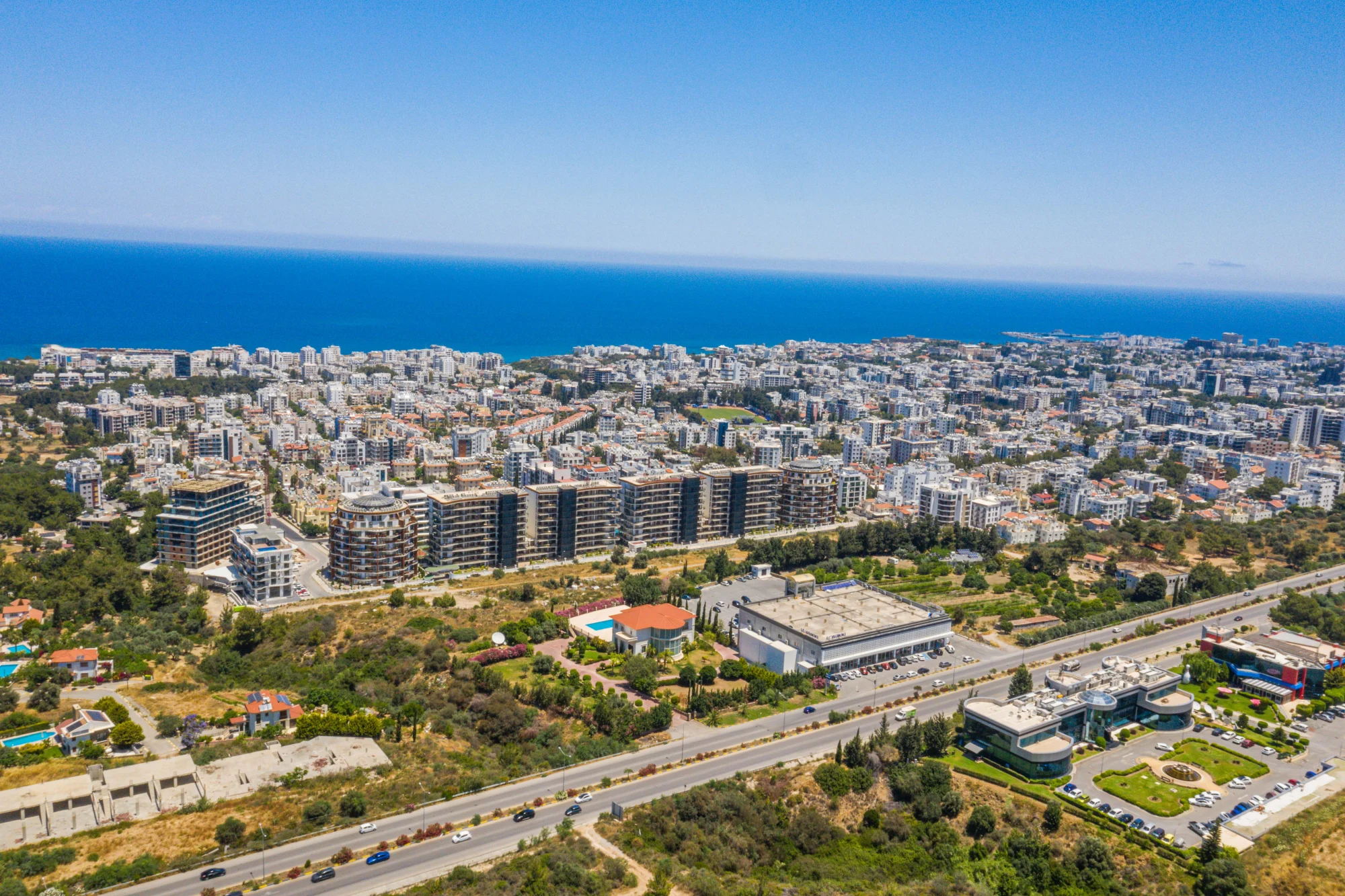
Ready to buy Real Estate in North Cyprus? This is your step-by-step, easy guide—from budgeting and areas to legal checks, fees, and the final deed. Follow the checklist and avoid costly mistakes.
WhatsApp → https://wa.me/905391359676
https://t.me/Mediterraneandream
Timecodes:
Would you put down your hardearned money for a home that doesn't exist yet? Buying an off plan in Northern Cyprus can be the smartest investment of your life or can be your biggest nightmare. First of all, you need to define your goal. Are you looking to buy a property here in Northern Cyprus because you would like to relocate or leave her permanently? Or possibly you would like to gain some passive income from long or short-term rental. Or maybe you just need to safeguard your assets and you would like to buy property with a means to resell at a future date with the highest possible margin. Each of those goals shape different strategy with regards to the location, budget as well as the property type.
Once you've defined your goal, you need to consider different locations and pick the best one that fit within the requirements, your needs and your goals, right? To maximize your returns. Let's start with Karenia as my favorite region. Well, my dear friends, Karenia is one of the highest in demand region and it's the region where there is very limited amount of land left. The properties are not cheap in here, especially if we're talking off plan, but it has the highest profit when we talk about flipping strategy or rental strategy as well as the highest demand. But again, if we come back to flipping strategy, I would never consider it short-term in Northern Cypress because it doesn't work that way.
You know, with all the expenses and taxation that you add on the top of the price, you know, you would need to wait for at least 5 to seven years term to make sure you maximize your investment on the reselling of the property. To describe Carvania in few simple words, I would say it's a place with the historical heritage combined with a modern lifestyle, highly developed infrastructure, British education, very high demand for the rentals as well as buying the property with the biggest maximized yield returns on your investment. A center on the other hand is a very peaceful and natural surrounding with the natural coastline, beautiful sea views and practically no city infrastructure.
A center isn't really suitable for permanent life unless you are retired and you don't require city infrastructure nearby and you are okay with driving to the city center let's say for 30 to 40 minutes in one go. If we talk about investment strategy, you need to pick a very exclusive type of apartment as there is a lot of competition going on over there. So I would say if it's a flipping strategy, then pick a seafront type of property. It's not cheap in price and it would rather be a long-term investment anywhere from 7 to 10 years to benefit from the returns. Isaia has a resort vibe with a cosmopolitan type of lifestyle.
I would say particular that location has the highest turnover of tourists due to its proximity to the seafront along with the best beaches on the island. But again, it has the highest pool of rentals available on the market. If you consider investment in that particular location, I would say your best pick would be hot resale deals that are currently on the market to maximize your yield returns on rental as well as capital appreciation. Last but not least, my dear friends, is Guiltude. Guiler is located on the west coast of the island. It's very peaceful. It's very natural and it's very undeveloped. I would say it's in an emerging market with a few developments that are taking place right on the seafront.
In terms of investment, I would say it's a very long-term type of strategy because that region is just starting to develop. But again, it's the most budget friendly. The next step would be is to evaluate the infrastructure nearby. Are there any schools around or medical centers? How far away is the closest shop or how do you get to the seafront if you'd like to swim? You need to remember one thing that infrastructure drives both the lifestyle as well as property value growth. In your next step, you need to decide on the type of property that you're going to purchase because that's going to determine your budget as well.
Maybe it's a studio apartment or one or two-bedroom apartment or maybe it's a penthouse or maybe it's even a villa. You need to ask yourself a question what you are looking for. Whether it's a return on your rental yield or capital appreciation or does it have to be a lifestyle type of property? An essential step in here would be is to do a research on developers reputation. You do need to look at completed projects, the way they maintain and looked after. You do need to look at the timelines and whether they have been met previously with regards to the completed sites. And the best advice of the day is to find residents that live on the completed sites of the same developer and ask about the experience.
Once you are happy with the developer and the project that you've picked, you need to understand the payment plan. How much is the deposit? How much time do you have before you have to make your down payment and how much that down payment is? What is the payment plan? Can it be structured according to the stages of construction? And most importantly, see if you can get any sort of discount or maybe gifts such as furniture pack or maybe your payment plan extended beyond the key delivery time. Before you sign any contract, secure a legal support. You do need to hire an independent lawyer, not a lawyer that is being advised by developer or somebody else. It has to be an independent lawyer.
That lawyer will run a background check on the developers. Check that all the documents are in place for a particular project that you've picked and of course conduct all the registration processes with taxes being paid on your behalf. Another essential tip that might help to maximize your investment is to consider the future value. You need to look at the government plans. Are there any uh plans to enhance the region? I don't know roads being extended or maybe schools or universities being built or maybe there are any private projects or new hotels nearby that are under construction. You need to ask yourself a question. What will make this area more desirable in 5 to 10 years to come?
Another essential thing to consider is the rental and management of your property. Who is going to manage the rental while you're abroad? How can you benefit from long-term versus short-term rental? What are the drawbacks and benefits of each one of those strategies? And most importantly, what are the fees associated with each one of these strategies? And as well as that understand the seasonability as well as occupancy rates. Once all of that homework is done and you are ready to reserve, what is the process? Let me take you through it. So you go to a developer's office and you place a deposit to reserve your unit that you've picked. The deposit can range anywhere from £3,000 to £10,000 depending on the unit.
Once that is placed, your apartment is reserved. You have the uh reservation deposit agreement on hand. You have at least a month to come up with a down payment. The down payment for the property or plan property can range anywhere from 35 to 50% depending on the stage of the construction of that particular project. The down payment ideally should be paid to the developer's account via lawyer's account, but that's not essential. You can pay directly at the developer's office before you sign the contract. So you make your down payment, you sign the contract terms and conditions of which you've negotiated prior to the making the down payment.
Once the down payment is made, contract is signed by the developer as well as you. It needs to be registered with the tax office and land registry within 21 days of signing the contract. A lawyer is going to do that on your behalf. At the moment of the registration, you would be required to pay 6 and a half% tax for registration of that contract. Once the property is registered and taxes are paid, a lawyer would need to apply for the permission to transfer the title deed into your name on your behalf. And for that, my dear friends, a police clearance certificate has to be issued back from your home country. After that, my dear friends, you're pretty much sorted.
you just need to continue paying your installments according to the payment plan that you've negotiated with the developer. The key tip here would be always keep your final stage payment until the key hand over to be on the safe side. Once the project is completed and you finally got your key for your apartment, there are few costs associated with the delivery times. The first cost would be a truffle fee which is utility connection such as electricity and water and you would also need to place deposits for the meters. As well as that you will need to sign a management contract with the developer office to manage the site. You know we call it a maintenance fee.
Basically it's a fee that you pay on a monthly or annual base for the management of your complex. The last cost that is associated with the delivery of your property is the VIT tax payable to a developer. Some developers do require you to pay it at the time of the delivery. Others do not ask for it until the title did transfer to your name. You know, it all comes down to the terms and conditions that you've negotiated at the time of signing the contract. But regardless of the fact, VIT based on the cadestral value will have to be paid sooner or later. A few extra insider tips. Visit before signing. Many developers well first of all do provide you with accommodation once you come for a visit up to 3 days.
And as well as that, if you're ready to sign a contract, they might even cover your flight tickets and a hotel booking. Snagging list upon completion of your property and before making your final stage payment, create a checklist of construction defects and go over it. Always consider exit strategy. Make sure you are aware of the rules and terms and conditions stated in a contract with a developer once it comes to the resale of your property. Pay attention to the reassignment cost as well as how much of the property has to be paid out before you are allowed to resell it. Last but not least, my dear friends, is the currency factor.
Make sure you secure your agreement in the currency such as pounds or euros that benefits you the most in the long run. And that's about it, my dear friends. Here's your step-by-step guide to owning an offline property here in Northern Cypress. And if you are ready to take your next step, my contact details are in the description below.